
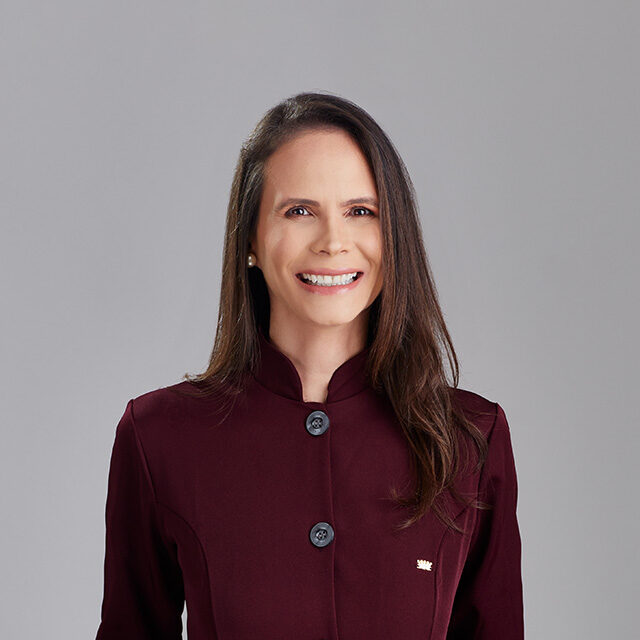
Dra. Cláudia Angélica
Cirurgiã-Dentista | CRO-RN 2683
– Curso Online de Manejo Odontológico do Paciente com Comprometimento Sistêmico (H3 Odonto)
– Curso Online de Atendimento Odontológico Domiciliar (H3 Odonto)
– Aperfeiçoamento em Prótese Fixa (ABO – RN)
– Aperfeiçoamento em Cirurgia Oral Menor (ABO – RN)
– Mestrado em Ciências e Engenharia de Materiais UFRN
– Especialização em Endodontia UFRN
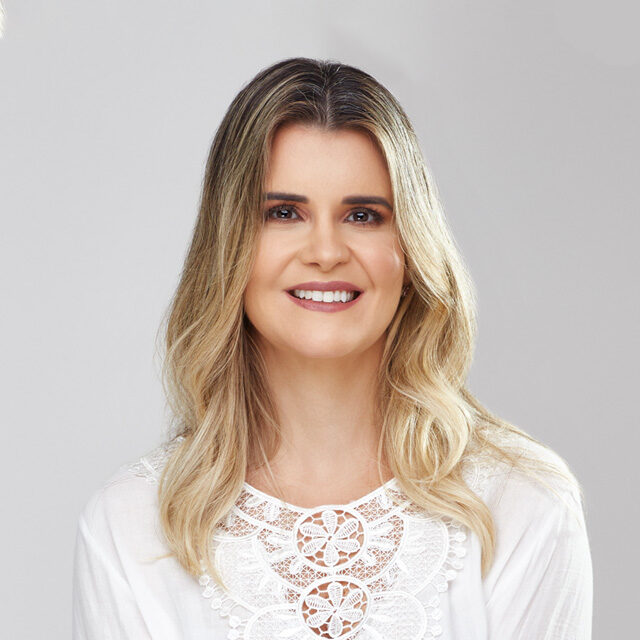
Dra. Diana Rosado
Cirurgiã-Dentista | CRO-RN 2679
– Pós graduada em Cirurgia Oral Menor (ABO-RN)
– Especialista em Odontologia Hospitalar (CFO) Periodontia (ABO-RN)
– Habilitada em Laserterapia e Sedação com Óxido Nitroso
– Mestre em Ciências da Saúde (USP-SP)
– Presidente e Vice-Presidente da Comissão de Odontologia Hospitalar do CRO-RN (2011 – 2015)
– Vice-presidente da Liga Acadêmica de Odontologia Hospitalar do RN (2016 – atual)
– Atuação em Serviço de Atendimento Odontológico Domiciliar e Hospitalar (2007 – atual)
– Membro do Colégio Brasileiro de Odontologia Hospitalar e Intensiva (CBROHI)
Docência nos seguintes cursos:
– Graduação em Odontologia da Universidade Potiguar
– Manejo Odontológico de Pacientes com Comprometimento Sistêmico
– Manejo Odontológico de pacientes com coagulopatias, cardiopatias e diabetes
– Atendimento Odontológico Domiciliar
– Especialização em Odontologia Hospitalar
– Palestrante em diversos eventos no Brasil
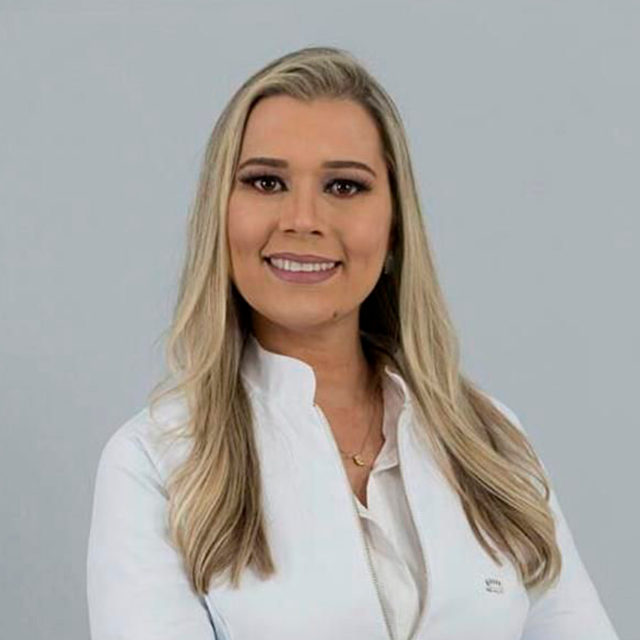
Dra. Aretha Verissimo
Cirurgiã-Dentista | CRO-RN 3790
– Cirurgiã-Dentista em Natal, RN – Brasil.
– Graduada em Odontologia pela Universidade Federal do Rio Grande do Norte-UFRN (2010)
– Cursando Doutorado em Ciências Odontológicas, área de concentração em Prótese Dentária-UFRN (2018-2022)
– Mestre em Odontologia, área de concentração em Prótese Dentária-UFRN (2015-2018)
– Cursando especialização em Prótese Dentária – Grupo Innovation/FAMEC (2018-2020).
– Residência Multiprofissional em Atenção a Saúde da Criança pela UFRN (2013)
– Especialista em Implantodontia pela FACSETE (2014)
– Aperfeiçoamento em Dentística e Estética-CPO/RN (2015).
– Docente do curso de Odontologia na Universidade Potiguar/UnP – Rede Laureate Universities
– Dentista em consultório particular e monitora no curso de Prótese sobre Implante – Grupo Innovation/FAMEC
– Professora de Radiologia Odontológica da Escola Politécnica do Brasil.
– Experiência na área de Prótese Dentária, Implantodontia, Dentística, Reabilitação oral, Estética, Cirurgia, Odontopediatria e OPNE.

Dra. Beatriz Falcão
Cirurgiã-Dentista | CRO-RN 7682
Especialista em Odontologia Hospitalar
Pós graduada em Laserterapia
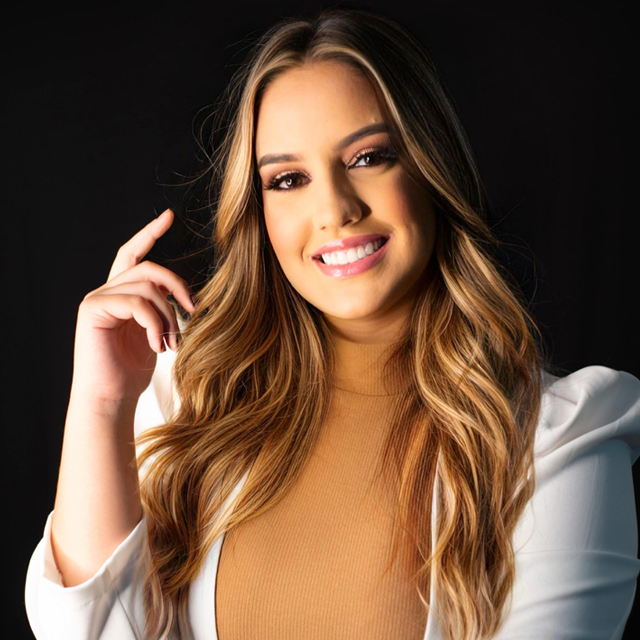
Dra. Carolina Calazans
Cirurgiã-Dentista | CRO-RN 7309
Especialista em Odontologia Hospitalar (Instituto Israelita de Ensino e Pesquisa Albert Einstein-SP)
Pós Graduanda em Odontologia para pacientes com necessidades especiais (Unyleya-BSB)
Dentista voluntária com atendimentos de laserterapia no Hospital Infantil Varela Santigo (LAOH/UFRN)
Estágio Odontologia Oncológica (Liga Contra o Câncer/RN e Fundação Pio XII Hospital de Amor, Barretos/SP)
Curso de atualização em Controle de Infecções em Serviços de Saúde
Curso de atualização em Abordagem Domiciliar de Pacientes em Cuidados Paliativos.
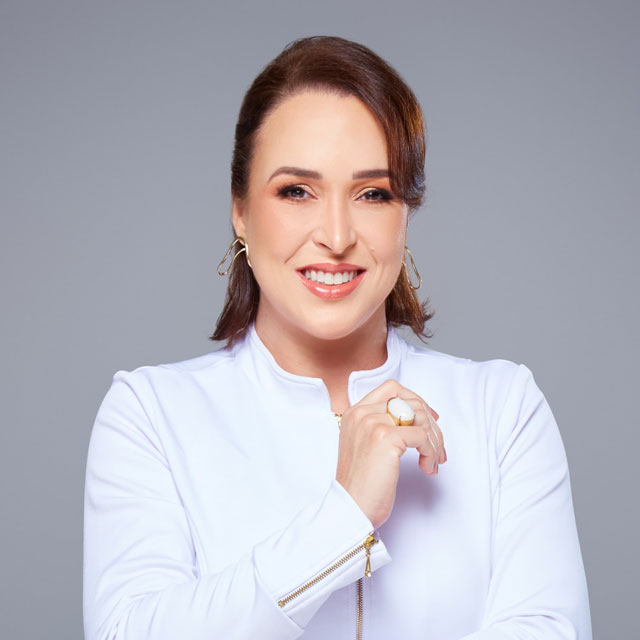
Dra. Cecília Aguiar
Cirurgiã-Dentista | CRO-RN 2641
– Especialista em Odontogeriatria (ABENO-SP), Odontologia Hospitalar (CFO) e Acupuntura (CFO)
– Habilitada em laserterapia, Sedação com Óxido Nitroso e hipnose (CFO)
– Mestre em Saúde Coletiva (UFES)
– Doutora em Saúde Coletiva (UFRN)
– Presidente da Associação Brasileira de Halitose (2015-2017)
– Vice-Presidente e Presidente da Comissão de Odontologia Hospitalar do CRO-RN (2011 – 2015)
– Professor colaborador da Liga Acadêmica de Odontologia Hospitalar do RN (2016 – atual)
– Atuação em Serviço de Atendimento Odontológico Domiciliar e Hospitalar (2007 – atual)
– Membro do Colégio Brasileiro de Odontologia Hospitalar e Intensiva (CBROHI)
Docência nos seguintes cursos:
– Halitologia
– Saliva e Disfunções Salivares
– Atendimento Odontológico Domiciliar
– Especialização em Odontologia Hospitalar
– Palestrante em diversos eventos no Brasil
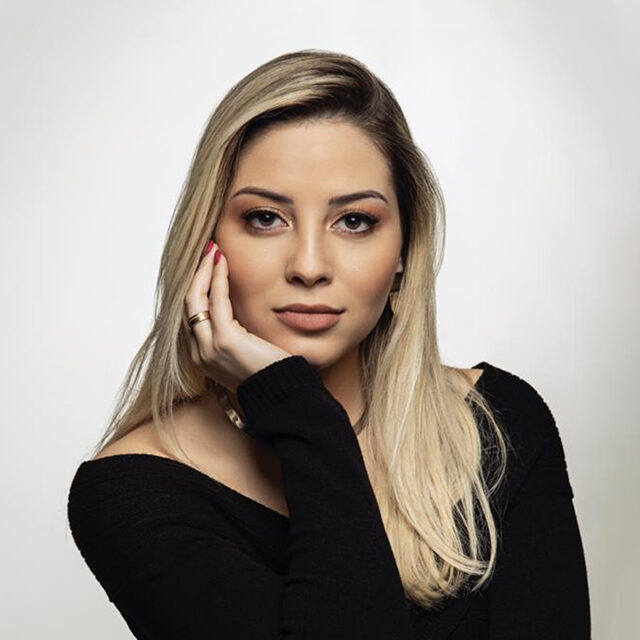
Dra. Fernanda Dantas
Cirurgiã-Dentista | CRO-RN 6109
– Graduação em Odontologia (UnP – Laureate International Universities).
– Pós-graduação em Harmonização Orofacial (New York University).
– Especialização em Harmonização Orofacial (Unifip).
– Mestre em Medicina Estética (Sociedade Espanhola de Medicina Estética).
– Curso Online de Atendimento Odontológico Domiciliar (H3 Odonto)
– Professora de Harmonização Orofacial no Instituto Arcelino Farias
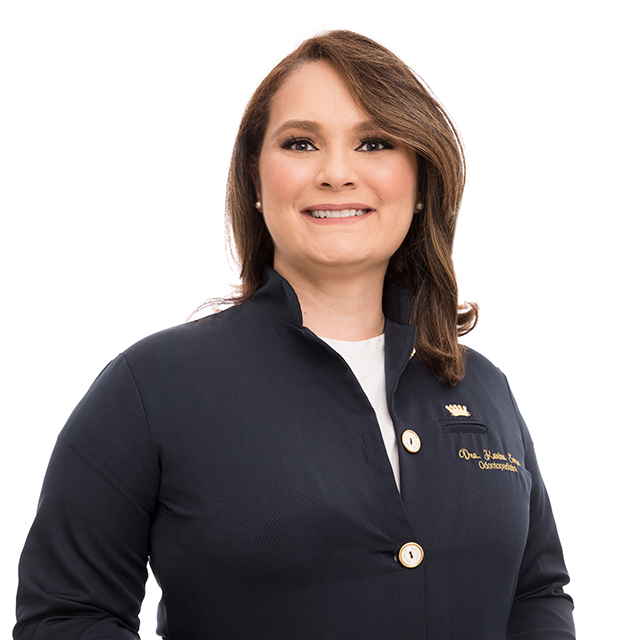
Dra. Karina Sousa
Cirurgiã-Dentista | CRO-RN 3145
– Docente do Curso de Graduação de Odontologia – UniFacex (atualmente)
– Doutora em Odontologia – Faculdade de Odontologia de Piracicaba (2016 – 2022)
– Habilitação para Laser em Odontologia – LELO, LELO-FOUSP (2017)
– Mestrado em Odontopediatria – Faculdade de Odontologia de Piracicaba (2017)
– Especialização em Odontopediatria – COESP – Centro Odontológico de Estudos e Pesquisas (2013)
– Graduação em Odontologia – UnP – Universidade Potiguar (2006)
– Aperfeiçoamento em Odontologia Hospitalar – COESP – Centro Odontológico de Estudos e Pesquisas (2011)
– Aperfeiçoamento em Prótese Dental – CEAO – Centro de Estudos de Assistência Odontológica (2010)
– I Curso d Atualização de Cirurgia Oral Menor – Liga Norte Riograndense Contra o Câncer (2004-2005)
– Formação de segurança, Cocorrista – Universidade Potiguar (2002-2003)
– Odontopediatra no Hospital SOBRAPAR, Crânio e Face, Campinas, São Paulo (2019 – 2020)
– Estágio no departamento de Odontologia no Centro Infantil Boldrini, Campinas, São Paulo (Nov/2018 – nov/2019)
SIlvana Pontes
Secretária
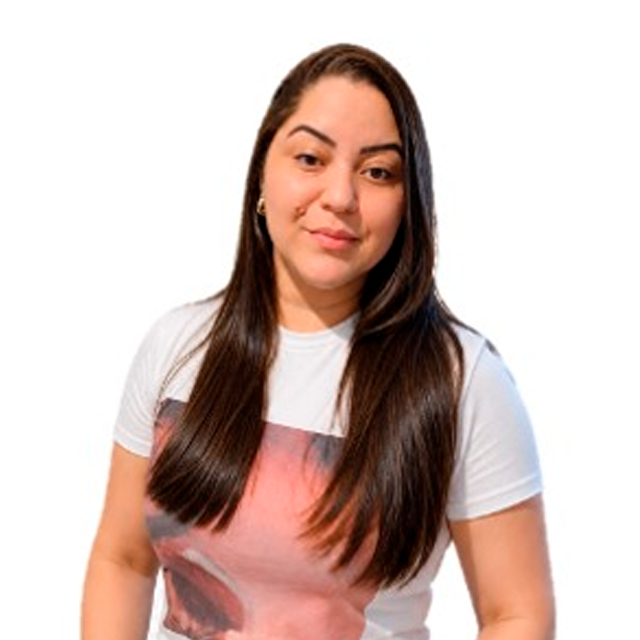
Romeyka Ramos
Auxiliar de Saúde Bucal
Dra. Cecília Aguiar
Cirurgiã-Dentista | CRO-RN 2641
– Especialista em Odontogeriatria (ABENO-SP), Odontologia Hospitalar (CFO) e Acupuntura (CFO)
– Habilitada em laserterapia, Sedação com Óxido Nitroso e hipnose (CFO)
– Mestre em Saúde Coletiva (UFES)
– Doutora em Saúde Coletiva (UFRN)
– Presidente da Associação Brasileira de Halitose (2015-2017)
– Vice-Presidente e Presidente da Comissão de Odontologia Hospitalar do CRO-RN (2011 – 2015)
– Professor colaborador da Liga Acadêmica de Odontologia Hospitalar do RN (2016 – atual)
– Atuação em Serviço de Atendimento Odontológico Domiciliar e Hospitalar (2007 – atual)
– Membro do Colégio Brasileiro de Odontologia Hospitalar e Intensiva (CBROHI)
Docência nos seguintes cursos:
– Halitologia
– Saliva e Disfunções Salivares
– Atendimento Odontológico Domiciliar
– Especialização em Odontologia Hospitalar
– Palestrante em diversos eventos no Brasil
Dra. Diana Rosado
Cirurgiã-Dentista | CRO-RN 2679
– Pós graduada em Cirurgia Oral Menor (ABO-RN)
– Especialista em Odontologia Hospitalar (CFO) Periodontia (ABO-RN)
– Habilitada em Laserterapia e Sedação com Óxido Nitroso
– Mestre em Ciências da Saúde (USP-SP)
– Presidente e Vice-Presidente da Comissão de Odontologia Hospitalar do CRO-RN (2011 – 2015)
– Vice-presidente da Liga Acadêmica de Odontologia Hospitalar do RN (2016 – atual)
– Atuação em Serviço de Atendimento Odontológico Domiciliar e Hospitalar (2007 – atual)
– Membro do Colégio Brasileiro de Odontologia Hospitalar e Intensiva (CBROHI)
Docência nos seguintes cursos:
– Graduação em Odontologia da Universidade Potiguar
– Manejo Odontológico de Pacientes com Comprometimento Sistêmico
– Manejo Odontológico de pacientes com coagulopatias, cardiopatias e diabetes
– Atendimento Odontológico Domiciliar
– Especialização em Odontologia Hospitalar
– Palestrante em diversos eventos no Brasil
Dra. Cláudia Angélica
Cirurgiã-Dentista | CRO-RN 2683
– Curso Online de Manejo Odontológico do Paciente com Comprometimento Sistêmico (H3 Odonto)
– Curso Online de Atendimento Odontológico Domiciliar (H3 Odonto)
– Aperfeiçoamento em Prótese Fixa (ABO – RN)
– Aperfeiçoamento em Cirurgia Oral Menor (ABO – RN)
– Mestrado em Ciências e Engenharia de Materiais UFRN
– Especialização em Endodontia UFRN
Dra. Aretha Verissimo
Cirurgiã-Dentista | CRO-RN 3790
– Cirurgiã-Dentista em Natal, RN – Brasil.
– Graduada em Odontologia pela Universidade Federal do Rio Grande do Norte-UFRN (2010)
– Cursando Doutorado em Ciências Odontológicas, área de concentração em Prótese Dentária-UFRN (2018-2022)
– Mestre em Odontologia, área de concentração em Prótese Dentária-UFRN (2015-2018)
– Cursando especialização em Prótese Dentária – Grupo Innovation/FAMEC (2018-2020).
– Residência Multiprofissional em Atenção a Saúde da Criança pela UFRN (2013)
– Especialista em Implantodontia pela FACSETE (2014)
– Aperfeiçoamento em Dentística e Estética-CPO/RN (2015).
– Docente do curso de Odontologia na Universidade Potiguar/UnP – Rede Laureate Universities
– Dentista em consultório particular e monitora no curso de Prótese sobre Implante – Grupo Innovation/FAMEC
– Professora de Radiologia Odontológica da Escola Politécnica do Brasil.
– Experiência na área de Prótese Dentária, Implantodontia, Dentística, Reabilitação oral, Estética, Cirurgia, Odontopediatria e OPNE.
Dra. Karina Sousa
Cirurgiã-Dentista | CRO-RN 3145
– Docente do Curso de Graduação de Odontologia – UniFacex (atualmente)
– Doutora em Odontologia – Faculdade de Odontologia de Piracicaba (2016 – 2022)
– Habilitação para Laser em Odontologia – LELO, LELO-FOUSP (2017)
– Mestrado em Odontopediatria – Faculdade de Odontologia de Piracicaba (2017)
– Especialização em Odontopediatria – COESP – Centro Odontológico de Estudos e Pesquisas (2013)
– Graduação em Odontologia – UnP – Universidade Potiguar (2006)
– Aperfeiçoamento em Odontologia Hospitalar – COESP – Centro Odontológico de Estudos e Pesquisas (2011)
– Aperfeiçoamento em Prótese Dental – CEAO – Centro de Estudos de Assistência Odontológica (2010)
– I Curso d Atualização de Cirurgia Oral Menor – Liga Norte Riograndense Contra o Câncer (2004-2005)
– Formação de segurança, Cocorrista – Universidade Potiguar (2002-2003)
– Odontopediatra no Hospital SOBRAPAR, Crânio e Face, Campinas, São Paulo (2019 – 2020)
– Estágio no departamento de Odontologia no Centro Infantil Boldrini, Campinas, São Paulo (Nov/2018 – nov/2019)
Dra. Fernanda Dantas
Cirurgiã-Dentista | CRO-RN 6109
– Graduação em Odontologia (UnP – Laureate International Universities).
– Pós-graduação em Harmonização Orofacial (New York University).
– Especialização em Harmonização Orofacial (Unifip).
– Mestre em Medicina Estética (Sociedade Espanhola de Medicina Estética).
– Curso Online de Atendimento Odontológico Domiciliar (H3 Odonto)
– Professora de Harmonização Orofacial no Instituto Arcelino Farias


